 Reviews


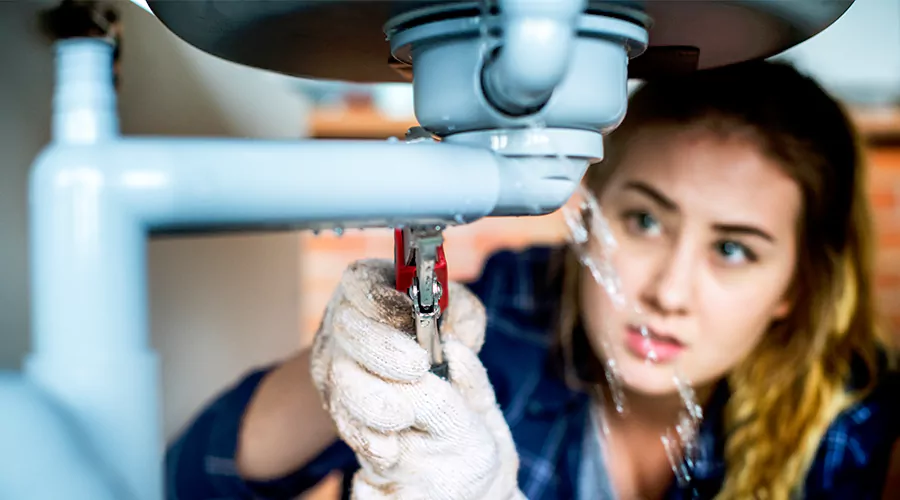
Fixing a broken pipe means stopping the water first and patching second and replacing the damaged section third. Broken pipe repair by a professional costs $400 to $2,000 on average, including materials and labor.
The clock matters more than the pipe. Pipe repair runs $200 to $1,000 while full water damage cleanup commonly runs $1,000 to $6,000.
A $15 clamp and ten calm minutes separate those two invoices. Here's the full sequence from puddle to permanent fix.
Stop the Water First
Burst pipe repair starts at the main shutoff every single time. Broken pipe plumbing emergencies reward the homeowner who already knows where that valve lives. Everything else in this article waits behind this step.
Run the first ten minutes in order:
- Close the main water valve immediately and then open faucets to drain the remaining pressure from the lines.
- Kill power to wet areas at the breaker when water reaches outlets or fixtures.
- Move water out fast: Towels and a wet vac start working while you plan.
- Photograph everything before cleanup since insurers want documentation and most standard policies cover sudden accidental bursts.
- Start drying now: You have 24 to 48 hours to dry materials before mold becomes likely.
Insider tip: Find your main shutoff tonight rather than during the flood. Tag it with a bright zip tie so anyone in the house can find it in the dark.
Temporary Fixes That Buy Time
Three hardware-store products hold a leak until the permanent repair. Each costs under $40 and installs in minutes on an accessible pipe. All three are bridges rather than destinations.
- Pipe repair clamp: A metal sleeve with a rubber gasket that tightens over the crack, costing $10 to $25 and working well on small clean breaks in straight sections. You can fix burst pipe leaks with one in five minutes.
- Epoxy putty: The two-part compound molds over the leak and hardens within minutes on copper and PVC and galvanized steel. Cracked pipe repair with putty suits pinholes rather than wide splits.
- Silicone tape: Self-fusing wrap for weeping joints and hairline cracks in tight spots.
The honesty clause comes with all three. These are temporary solutions, and a permanent fix almost always needs a licensed plumber when the pipe sits inside a wall or under a slab or on the main line.
Insider tip: Dry the pipe completely before applying putty or tape. Both products bond to metal and neither bonds to a film of water.
Permanent Repairs by Pipe Material
The permanent burst pipe fix replaces the split section entirely. A plumber removes the damaged area and adds a replacement coupling or replaces the whole length between joints. The right way to fix a broken pipe from there depends on what the pipe is made of.
Plastic repairs move fastest. PVC and PEX are the most affordable to fix at a few dollars per foot, and the job is cutting out the damaged section and fitting a new piece. Copper asks more since copper runs $2 to $15 per foot and usually involves soldering for a leak-proof seal. Full broken water pipe repair on old galvanized steel costs the most because older materials are harder to source and often need full section replacements.
One modern fitting changed the DIY math. To fix broken water pipe sections without a torch, push-fit couplings join copper and PEX and CPVC with hand pressure alone. A confident homeowner with an accessible pipe and a deburring tool can make a code-legal repair in twenty minutes.
Insider tip: Patch versus replace has a clean rule. On older or corroded pipe, replacing the entire damaged section is the better long-term investment since the next burst is already forming beside the patch.
Broken Pipe Under House Crawl Spaces
A broken pipe under house framing is the same repair performed lying down. Crawl space breaks hide until the water bill or a musty smell reports them. Access defines the whole job.
Work the space smart. Kill the water and let the crawl space drain before entering, then bring a headlamp and a foam kneeling pad and your fittings pre-staged in a bucket. Photograph the break and the pipe material before your first trip under since every forgotten fitting costs another crawl.
Moisture cleanup matters double down there. Wet soil under a house feeds mold into the subfloor from below, so a fan at the access door runs for days after any crawl space repair.
A Broken Water Line Outside
A broken water line between the meter and the house is a different project from anything indoors. The symptoms are a hissing meter and a soggy yard stripe and a bill that doubled. Ownership usually makes it yours since most utilities stop at the meter.
Diagnosis comes cheap. Shut the house's main valve and watch the meter, because a meter still spinning with the house valve closed puts the leak in the yard line. Repair options then split between excavating the bad section and trenchless replacement of the whole run.
Depth and material decide the money. A shallow PVC line patches affordably while a deep old galvanized service usually earns full replacement.
Why Pipes Break?
Four forces cause nearly every burst, and one of them owns winter. Water damage from freezing accounts for nearly 22% of all homeowners insurance claims filed annually. Searches like water pipe broken repair spike every January for exactly that reason.
The full lineup:
- Freezing: Ice expands with enough force to split copper and PVC alike.
- Pressure: Water pressure above 60 psi stresses joints over time and raises the burst risk.
- Corrosion: Old galvanized and thin-wall copper fail from the inside out.
- Physical damage: Nails and shovels and settling foundations finish the list.
Knowing your cause prevents the sequel. A freeze burst wants insulation while a pressure burst wants a regulator.
Burst Pipe Repair Cost in 2026
Burst pipe repair cost lands near $500 for a standard job with most repairs falling between $200 and $3,000. Location inside the home moves the number more than the pipe itself. The table shows the 2026 landscape.
| Scenario | 2026 cost |
|---|---|
| DIY clamp or putty patch | $10 to $40 |
| DIY push-fit section repair | $20 to $60 |
| Standard pro repair | $500 to $800 |
| Full pro range | $400 to $2,000 |
| Hidden or slab locations | Up to $4,500 |
| Water damage restoration | $1,000 to $6,000 |
Two multipliers explain the top rows. The cost to fix burst pipe damage doubles when walls or ceilings open, and contractors charge more when they must dig or tear open walls. Meanwhile the full cost of fixing burst pipe events usually exceeds the plumbing line since severe cases with flooring and drywall and mold remediation push well beyond $10,000.
When to Call a Professional?
The professional line sits at anything hidden or structural or main-line. A burst pipe repair service finishes most standard jobs in one to two hours by cutting out the damaged section and installing new fittings. Four triggers make the call automatic.
- The pipe sits in a wall or ceiling or slab. Access work belongs with insured hands.
- The main service line burst. Meter-to-house repairs involve depth and often permits.
- The material is galvanized steel. Old threaded systems fight back and crumble.
- A DIY patch already failed once. A botched DIY fix often turns a $500 repair into a $2,000 repair plus water damage.
Insurance rides along with the pro visit too. Documented professional repair supports the claim that a clamp and a shrug never will.
Prevention Beats Every Repair Here
Freeze protection and pressure control prevent most bursts for under $100. The math is absurdly one-sided since insulating exposed pipes can reduce freezing risk by up to 80%. Four habits carry the program.
- Insulate every exposed run foam sleeves cost a dollar per foot in crawl spaces and garages.
- Test your pressure yearly: A $12 gauge on a hose bib should read under 60 to 80 psi with a regulator fixing anything higher.
- Drip faucets during hard freezes moving water resists freezing and relieves pressure.
- Disconnect hoses each fall a connected hose traps the water that splits outdoor faucets and the pipe behind them.
Conclusion
Every broken pipe follows the same arc of shutoff then patch, then replacement. The clamp buys hours while push-fit couplings and plumbers buy decades. Walls and slabs and service lines belong with licensed pros every time. This week, find your main shutoff and buy one $15 repair clamp for the junk drawer. Those two preparations decide which cost column your next burst lands in.
FAQs
Will insurance cover my burst pipe?
Most standard policies cover sudden accidental bursts like an overnight freeze. Gradual leaks from neglect usually aren't covered.
How long will I be without water during repair?
A few hours for an accessible pipe and longer for buried or in-wall breaks. Temporary patches restore water sooner.
Are push-fit fittings permanent or temporary?
Permanent when installed on clean, square-cut pipe. Major brands rate them for in-wall use, though local codes vary.
Why did my pipe burst with no freeze?
Pressure or corrosion or a water hammer event. Test your house pressure before trusting the new section.
Can I just leave the clamp on forever?
No. Clamps seal one spot on a pipe that failed once, and the surrounding pipe carries the same age and stress.
What should I shut off if I can't find the break?
The main valve and then the water heater's supply. Stopping all flow protects everything while the plumber hunts.